2024 Mercedes-Benz S-Class: A Comprehensive Review
The 2024 Mercedes-Benz S-Class continues a tradition of full-size luxury sedans that aim to set benchmarks in comfort, technology, and refinement. As the flagship model, it represents the culmination of years of engineering and design development. In this review, we examine the various aspects that contribute to its position in the premium sedan segment. The S-Class has long been a reference point for what a high-end automobile can offer, and the latest iteration builds on that legacy with a series of incremental improvements rather than a complete overhaul.
The focus of this evaluation is on the interior environment, ride characteristics, and the suite of driver assistance systems. Additionally, we consider how the 2024 S-Class compares with its primary rivals, such as the BMW 7 Series and the Audi A8. The goal is to provide a comprehensive overview for those considering a vehicle in this category, highlighting how each aspect functions within the context of daily use and longer journeys.
Testing took place over a variety of road conditions, including highways and city streets, to assess the vehicle’s adaptability. The following sections detail our observations on the key areas that define the S-Class experience.
Interior Craftsmanship and Passenger Comfort
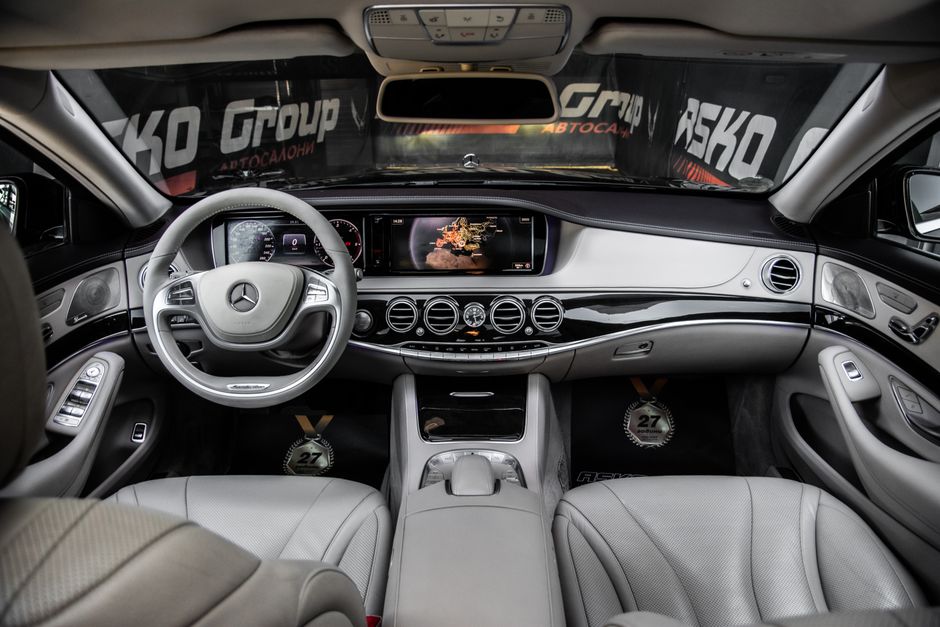
The cabin of the 2024 S-Class employs a wide range of high-quality materials, including leather, wood, metal accents, and open-pore trim options. The design language emphasizes horizontal lines and a clean dashboard layout, with the central infotainment screen integrated smoothly into the overall architecture. Seats offer extensive adjustment possibilities, with heating, ventilation, and massage functions available on both front and rear positions. The level of attention to detail is evident in the stitching patterns, the haptic feedback of controls, and the ambient lighting system that can be customized across multiple colors and brightness levels.
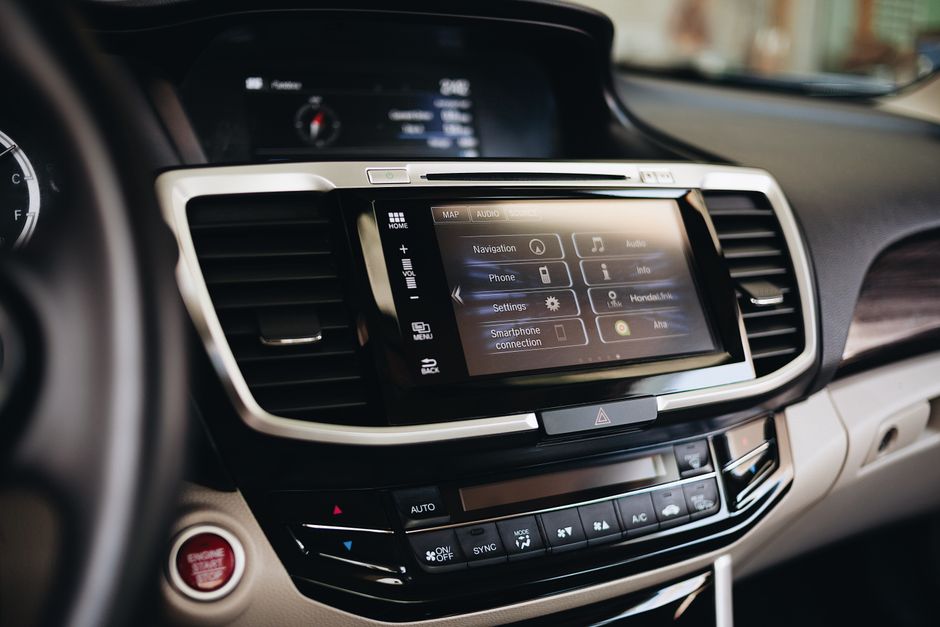
Passenger space remains generous, especially in the long-wheelbase version, where rear occupants can enjoy executive seats with reclining backrests and footrests. Noise insulation is thorough, with acoustic glazing and active noise cancellation working together to reduce external sounds. The overall atmosphere is one of calm and isolation, which is a central goal of the S-Class design philosophy. The MBUX infotainment system features a large OLED display and voice control that can process natural language commands, though some users may prefer physical controls for certain functions. The interface is responsive and offers various personalization options, including user profiles and over-the-air updates.
Ride Dynamics and Road Manner
The 2024 S-Class is equipped with an air suspension system that includes adaptive damping and, on certain models, active body control. This setup continuously adjusts to road conditions, aiming to smooth out imperfections such as potholes, expansion joints, and uneven surfaces. On typical highways, the ride remains supple and composed, with minimal body movement. The system can also lower the vehicle at higher speeds to improve aerodynamics and stability. However, the character of the ride changes depending on the selected drive mode. In Comfort mode, the suspension prioritizes softness, while Sport mode introduces more firmness to reduce body roll during cornering.
Steering is light and precise, with variable ratio that becomes more direct as turning angles increase. This makes the large sedan feel maneuverable in city driving, though the turning radius remains typical for the segment. The active rear-axle steering option reduces the turning circle at low speeds and enhances stability at higher speeds. Overall, the handling is composed rather than sporty, reflecting the S-Class’s focus on passenger comfort. The car remains predictable and stable through curves, but drivers seeking a more engaging experience may find the dynamics subdued compared to some competitors.
Driver Assistance Technology and Safety Features
The S-Class offers an extensive array of driver assistance systems, grouped under the name Driving Assistance Package. These include adaptive cruise control with stop-and-go capability, active lane keeping assist, active steering assist, and automated parking functions. The systems use a combination of cameras, radar sensors, and ultrasonic sensors to monitor the vehicle’s surroundings. When engaged, the adaptive cruise control maintains a set speed and distance to the vehicle ahead, while the lane keeping system provides gentle steering corrections to keep the car centered in its lane.
It is important to note that these systems are driver assistance features and do not constitute autonomous driving. The driver must remain attentive and ready to take control at any time. The system can issue warnings if it detects distracted driving, such as when hands are not on the steering wheel for an extended period. The automated parking function can handle parallel and perpendicular spaces with minimal input, using sensors to initiate the process. In emergency situations, the vehicle can apply brakes automatically if a collision is imminent. The overall effectiveness of these systems depends on factors such as road markings, weather conditions, and traffic complexity.
Comparison with Segment Competitors
The full-size luxury sedan segment includes several strong contenders. The BMW 7 Series presents a more aggressive exterior design and a different interior approach, with a curved display and a focus on digital interaction. Its ride is slightly firmer, and the handling is more dynamic, appealing to those who prioritize driving engagement. The Audi A8 offers a more understated interior with clean lines and a quiet cabin, but its infotainment relies heavily on touchscreens and may require more attention to operate. The Lexus LS provides a unique Japanese aesthetic and a hybrid powertrain option, though its infotainment system has been criticized for complexity.
In terms of rear-seat comfort and passenger amenities, the S-Class tends to lead the segment with its executive seat options, high-quality materials, and comprehensive noise isolation. The climate control system includes multi-zone settings and ionization, and the rear seats can be equipped with entertainment screens and folding tables. Each competitor has its own strengths, and the choice often depends on personal priorities regarding design, technology, and driving character. The S-Class positions itself as a vehicle that prioritizes occupant well-being and effortless travel over sportiness or technological novelty.
Performance and Powertrain Choices
The 2024 S-Class is available with several powertrain options in the United States. The S 500 uses a 3.0-liter inline-six turbocharged engine with a 48-volt mild-hybrid system, producing around 429 horsepower. The S 580 features a 4.0-liter V8 biturbo engine, also with mild-hybrid assistance, delivering roughly 496 horsepower. Both engines are paired with a nine-speed automatic transmission and 4MATIC all-wheel drive as standard. The mild-hybrid system provides a brief electric boost during acceleration and allows for smoother stops and starts.
Fuel economy varies depending on driving conditions and engine choice. For the S 500, EPA estimates are around 21 mpg city and 30 mpg highway, while the S 580 is slightly lower at about 16 mpg city and 25 mpg highway, based on official figures. A plug-in hybrid variant, the S 580e, is also offered in some markets, combining the V8 with an electric motor for limited electric-only range. Acceleration is strong in all models, with the V8 reaching 60 mph in under four and a half seconds. However, the focus remains on smooth and quiet propulsion rather than outright speed.
Overall Impressions and Market Position
The 2024 Mercedes-Benz S-Class continues to represent a particular philosophy in the luxury sedan market: an emphasis on comfort, isolation, and thoughtful technology integration. Its interior sets a high standard for materials and passenger amenities, while the ride quality prioritizes smoothness over sportiness. The driver assistance systems are extensive but remain aids that require active driver supervision. In comparison with rivals, the S-Class distinguishes itself through a holistic approach to luxury, aiming to create a serene environment for all occupants.
For potential buyers, the choice among the S-Class, BMW 7 Series, Audi A8, and others will likely come down to personal preference in design, driving feel, and specific feature sets. The S-Class does not attempt to be the sportiest or the most avant-garde option; instead, it refines a formula that has been successful for decades. Those who value a quiet, comfortable, and well-appointed cabin may find it aligns closely with their needs. As with any vehicle in this segment, a test drive is recommended to assess how the car’s characteristics match individual expectations.