Customizing Your Luxury SUV: A Guide to Personalization
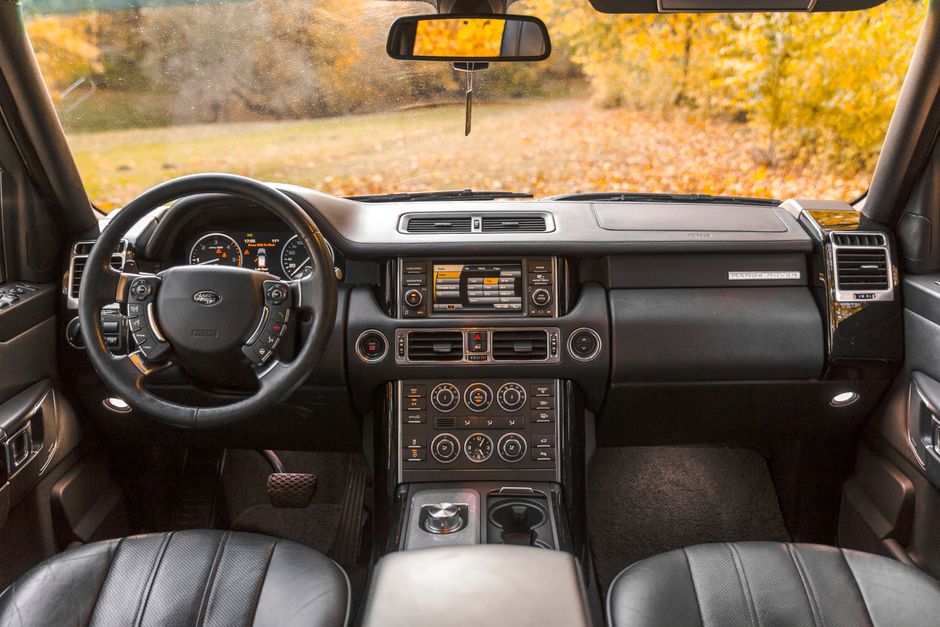
The luxury SUV segment has evolved beyond mere transportation. Owners increasingly view their vehicles as extensions of personal taste, seeking ways to differentiate a Range Rover or Bentley Bentayga from others on the road. The process of personalization involves a series of deliberate choices, from selecting exclusive factory finishes to commissioning aftermarket modifications. Understanding the landscape of available options allows for informed decisions that align with individual preferences.
Factory personalization programs offered by manufacturers provide a structured starting point. These programs allow clients to specify interior leathers, exterior paints, trim materials, and technology packages before the vehicle is built. For those with more specific visions, aftermarket specialists offer modifications that can transform nearly every aspect of the SUV. Each approach brings distinct advantages and considerations regarding cost, warranty, and originality.
This guide examines the methods and resources available for tailoring luxury SUVs, with a focus on the Range Rover and Bentley Bentayga. The goal is to present a clear overview of how personalization can be approached systematically, without overpromising or endorsing any single path.
Factory Personalization Programs
Manufacturers of high-end SUVs have developed dedicated departments to handle bespoke requests. These programs operate within the production process, offering a curated selection of materials and finishes that have been tested for quality and durability. For the Range Rover, the SV Bespoke division provides a range of options from curated color palettes to completely custom paint matches. Clients work with a specialist to review leather hides, wood veneers, and carbon-fiber accents, often with the ability to view samples before finalizing the specification.
Bentley’s Mulliner division offers a similar experience for the Bentayga. Mulliner extends beyond paint and leather, allowing for personalized embroidery, unique treadplate designs, and even custom interior stitching patterns. The process typically begins with a consultation where the client’s ideas are translated into a build sheet. Because these modifications are integrated during assembly, they maintain the factory’s engineering standards. One consideration is lead time, as bespoke orders may add several months to delivery. Another is cost, as exclusive finishes often carry a premium. However, the result is a vehicle that carries the manufacturer’s warranty and retains its original build documentation.
Range Rover SV Bespoke
The SV Bespoke program offers three tiers: Curated, Unique, and One of One. Curated provides preselected color and trim combinations. Unique allows for custom paint and interior combinations from a broader palette. One of One enables true customization of exterior and interior elements, including hand-painted coachlines and unique badging. The process involves direct collaboration with designers at the SV Bespoke studio in the United Kingdom. After specification, the vehicle is built to order, with each detail recorded for authenticity.
Bentley Mulliner
Mulliner operations are divided into three collections: Classic, Collections, and Coachbuilt. For the Bentayga, the Collections and Coachbuilt options are most relevant. Collections offers themed packages that combine specific exterior colors, wheel designs, and interior treatments. Coachbuilt goes further, allowing for unique body panels, custom grilles, and one-off interior layouts. The process requires a deposit and a detailed design phase. Production is limited, and each client works with a dedicated Mulliner team member.
Aftermarket Upgrades for Unique Expression
Aftermarket customization provides flexibility that factory programs may not offer. Owners can modify their SUV after delivery, choosing from a wide range of components and services. Common aftermarket upgrades include custom wheels, carbon-fiber body kits, upgraded suspension systems, interior reupholstery, and performance exhausts. Because these modifications are not part of the original build, they require careful selection of parts and installation providers to ensure compatibility and quality.
Wheels and tires are one of the most straightforward ways to alter a vehicle’s appearance. Many aftermarket manufacturers produce wheels specifically designed for luxury SUVs, with diameters ranging from 21 to 24 inches. Forged wheels offer weight savings and strength, while custom finishes like satin bronze or brushed titanium add distinction. When changing wheel size, it is important to consider the effect on ride comfort and speedometer accuracy. Suspension recalibration may be necessary to maintain handling characteristics.
Interior modifications can range from replacing standard carpet with custom floor mats to full leather and Alcantara upholstery. Some aftermarket shops offer stitching patterns, seat piping, and dashboard treatments that match a client’s personal style. For the Range Rover and Bentayga, companies such as Prestige Auto have developed specialized interior packages that include ambient lighting upgrades and bespoke door panel inserts. When considering interior work, evaluating the materials and craftsmanship is essential to ensure they match the factory’s quality.
Performance and Exhaust Modifications
Engine tuning and exhaust systems can alter the driving experience. Aftermarket tuners offer ECU remapping and piggyback modules that adjust boost pressure and fueling. For the Bentayga’s W12 or V8, such modifications can increase horsepower and torque, though they may affect emissions compliance and powertrain warranty. Exhaust systems made from stainless steel or titanium change the sound character, often with valved options to control noise levels. These upgrades require professional installation and should be discussed with a mechanic who understands the vehicle’s electronics.
Balancing Aesthetics and Practicality
Personalization decisions involve trade-offs between appearance and day-to-day usability. Factory options are generally designed to maintain the vehicle’s original performance and reliability specifications. Aftermarket parts, while often aesthetically striking, may introduce variables such as increased road noise, reduced ground clearance, or altered handling. It is important to consider how modifications will affect long-term ownership, including potential impacts on resale value and warranty coverage.
Resale value can be influenced by how well a customization aligns with broader market preferences. Highly personalized vehicles may appeal to a smaller pool of buyers, whereas subtle upgrades often retain broader appeal. Some modifications, such as non-original paint colors or major structural changes, can reduce resale value. Conversely, well-executed and documented personalizations by reputable shops may attract buyers seeking a unique vehicle. Documentation of changes, including receipts and photos, can help communicate the quality of the work.
Warranty considerations also play a role. Factory modifications are covered by the manufacturer’s warranty, while aftermarket modifications may void certain aspects of the coverage. The Magnuson-Moss Warranty Act in the United States provides some protections, but dealerships may deny claims if they can demonstrate that an aftermarket part caused the issue. Working with a shop that understands warranty compliance and offers its own warranty on work can mitigate this risk.
The Process of Personalization
Personalizing a luxury SUV typically follows a structured process, whether through the factory or an aftermarket provider. The first step is research: reviewing available options, understanding material differences, and setting a budget. Next, consultation with a specialist helps refine ideas into a feasible plan. For factory programs, this may involve visiting a design studio or working remotely with a representative. For aftermarket work, visiting a shop to see previous projects and discuss timelines is recommended.
Once the plan is finalized, the specification is submitted. Factory orders are placed with a deposit, and the vehicle enters the production queue. Aftermarket projects begin with ordering parts, which may require lead times for custom fabrication. Installation follows, with quality checks at each stage. After completion, the vehicle is inspected to ensure everything functions as intended. Some owners choose to have their customized SUV documented professionally, which can be useful for insurance purposes or future resale.
Choosing the Right Partner
Selecting a customization provider is a decision that influences the final outcome. For factory programs, the manufacturer’s dealership network is the primary point of contact. For aftermarket work, evaluating a shop’s experience with luxury SUVs is important. Facilities like Prestige Auto offer a range of services from wheel fitting to full interior transformations, and their portfolio can indicate the level of craftsmanship. Factors such as warranty coverage, communication, and project management should be discussed before committing.
Independent certifications or memberships in professional automotive associations can also provide assurance. Visiting the shop, seeing works in progress, and speaking with previous clients can give insight into the quality and reliability of the services. It is advisable to request a detailed quote that outlines the costs of parts, labor, and any additional fees. A transparent process helps prevent misunderstandings and ensures that the final result meets expectations.